
Returning to Sports After a Knee Injury: What You Need to Know

Returning to Sports After a Knee Injury
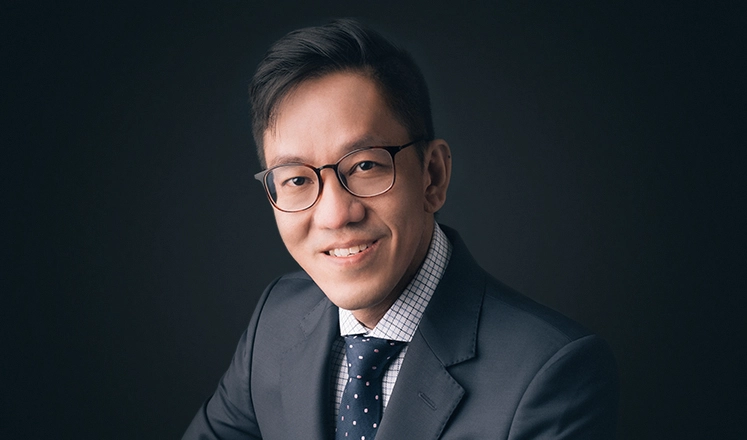
Dr Wang Lushun

Medically Reviewed by

Dr Wang Lushun

Senior Consultant Orthopaedic Surgeon

MBBS (S’pore), MRCS (Edin), MMed (Ortho), FRCS (Ortho) (Edin)

Knee injuries are among the most common setbacks for athletes and active individuals. But the good news is, with the right approach, many people make a full recovery and successfully return to sports. Returning to sports safely will require a thoughtful approach that prioritises healing, conditioning, and injury prevention. Here, we walk you through the key aspects of returning to sports after a knee injury.

Common Knee Injuries in Sports

Before planning your return, it’s important to understand what kind of knee injury you have. Common sports-related knee injuries include:

  • ACL (Anterior Cruciate Ligament) Tears: Often caused by sudden stops, changes in direction, or awkward landings
  • Meniscus Tears: These involve the shock absorbers that cushions the knee joint and can occur during twisting motions with load.
  • MCL/LCL Sprains: Injuries to the ligaments on the inner (MCL) or outer (LCL) sides of the knee
  • Patellar Tendinitis (Jumper’s Knee): Inflammation of the tendon that connects the kneecap to the shinbone
  • Runner’s Knee (Patellofemoral Pain Syndrome): Pain around or behind the kneecap, often due to overuse or misalignment

The Stages of Recovery

Returning to sports is not just about waiting for the pain to go away. It is a process that includes rehabilitation, careful performance evaluation, and building back one’s confidence.

1. Acute Phase (Rest and Healing)

The goal during this phase is to manage pain, reduce swelling, and protect the knee from further injury. Treatments may include rest, ice, compression, elevation (RICE), anti-inflammatory medications, bracing or immobilisation, or even surgery.

2. Rehabilitation Phase

Once the initial pain and inflammation are under control, physiotherapy begins. The focus of rehabilitation is on:

  • Restoring range of motion
  • Rebuilding muscle strength, especially in the quadriceps, hamstrings, and glutes
  • Improving balance and coordination

You will need to be patient - progress is gradual and closely monitored to avoid pushing the knee joint too hard, too soon.

3. Functional Training Phase

As strength and mobility improve, training becomes more sport-specific. This phase may include:

  • Agility drills and jumping
  • Cutting and pivoting movements
  • Cardiovascular conditioning

You may start using practice sessions or modified game participation to test out your level of readiness.

4. Return-to-Play Phase

This stage involves a series of functional tests to ensure you’re physically and mentally ready to resume your sport safely. These tests may include:

  • Single-leg hop tests
  • Strength symmetry evaluations
  • Movement quality assessments

In most cases, passing these tests generally means you're performing at or near your pre-injury level.

Tips for a Successful Return to Sports

  • Stick to Your Rehab Plan: Skipping steps or rushing recovery can delay healing and increase the chance of re-injury
  • Don’t Ignore Pain: Mild soreness is okay, but sharp or persistent pain means something isn’t right
  • Focus on Full-Body Conditioning: Strong hips, core, and ankles also play a key role in knee stability
  • Use Protective Gear if Advised: Knee braces or taping can offer added support early in your return
  • Stay Mentally Engaged: Fear of re-injury can alter your movement patterns and increase your risk

Returning to sports after a knee injury is possible, but it takes patience, discipline and the right medical guidance. For more information, reach out to our sports orthopaedic clinic today.

Dr Wang Lushun
Senior Consultant Orthopaedic Surgeon

MBBS (S’pore), MRCS (Edin), MMed (Ortho), FRCS (Ortho) (Edin)

With over 20 years of experience, Dr Wang Lushun specialises in sports orthopaedics and complex joint reconstruction procedures. As the former Head of The Division of Hip and Knee Surgery at Ng Teng Fong General Hospital, he has treated athletes and sports professionals, helping patients manage injuries and work towards their recovery goals.

Trusted
Leadership on Orthopaedic Advisory Boards
Skilful
Double Fellowships at Centres of Excellence
Experienced
Senior Consultant with Over 20 Years of Experience
Book An Appointment
Contact Us
NEED ADVICE ON YOUR CONDITION?
Do you have an enquiry about your sports injury or body joint condition? Please leave us a message and we will be in touch with you shortly.
Arete Orthopaedic Centre

Mount Elizabeth Medical Centre
3 Mount Elizabeth,#13-14, Singapore 228510

Mount Alvernia Hospital
820 Thomson Road, #05-51, Medical Centre D, Singapore 574623

Whatsapp
Back to top