Medically Reviewed by
Dr Wang Lushun
Senior Consultant Orthopaedic Surgeon
MBBS (S’pore), MRCS (Edin), MMed (Ortho), FRCS (Ortho) (Edin)
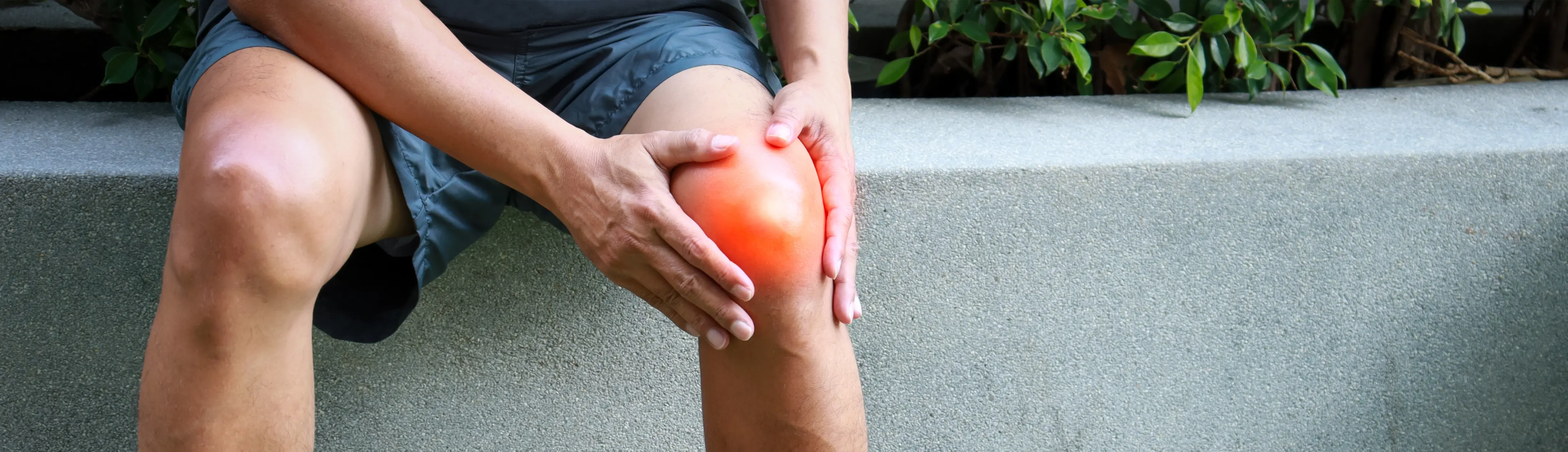
Knee swelling after exercise is a common complaint among active individuals, whether you're a regular runner, gym enthusiast, or someone who enjoys recreational sports. While mild swelling can sometimes occur after strenuous activity, persistent or recurring swelling should not be ignored, as it may indicate an underlying injury or joint condition.
Because knee swelling is a symptom rather than a diagnosis, identifying the cause is important for appropriate treatment and preventing further damage. Understanding what your symptoms can help you decide when simple self-care is sufficient and when it's time to seek medical attention.
Is Knee Swelling After Exercise Normal?
Not all knee swelling is cause for concern. After an especially intense workout or a new exercise routine, the knee may experience mild inflammation as the body responds to increased physical demands. This type of swelling is usually minor, improves with rest, and resolves within a day or two.
However, knee swelling is generally considered abnormal if it:
- Is significant or develops rapidly
- Persists beyond 24 to 48 hours
- Occurs repeatedly after exercise
- Is accompanied by pain, instability, locking, or difficulty walking
These symptoms may indicate an underlying condition that requires assessment by a specialist.
Common Causes of Knee Swelling After Exercise
Several conditions can cause your knee to swell after physical activity. Some are related to overuse, while others involve injuries to the ligaments, cartilage, or other structures within the knee.
Overuse and Inflammation
Repetitive activities such as running, cycling, or jumping can irritate the tissues around the knee. This may lead to inflammation of the tendons or the joint lining (synovium), resulting in mild swelling that gradually develops after exercise.
The meniscus is a piece of cartilage that cushions the knee joint. Twisting movements during sports can cause it to tear, leading to swelling that often develops several hours after the injury. Some people may also notice clicking, locking, or difficulty fully bending or straightening the knee.
Ligament Injuries (ACL, MCL, or PCL)
Knee ligaments help stabilise the joint. Injuries typically occur during sports that involve sudden changes in direction, jumping, or awkward landings. Swelling may appear quickly, particularly with an ACL injury, and is often accompanied by a feeling that the knee is unstable or may give way.
Cartilage Damage
Damage to the smooth cartilage covering the joint surfaces can occur from trauma or gradual wear over time. This may cause swelling after weight-bearing activities, along with pain during movement or prolonged walking.
Although more common in older adults, osteoarthritis can affect active individuals as well. Exercise may temporarily aggravate inflammation within the joint, leading to swelling, stiffness, and discomfort, particularly after prolonged activity.
Bursitis
The knee contains small fluid-filled sacs called bursae that reduce friction between tissues. Repetitive kneeling, prolonged pressure, or overuse can inflame these bursae, causing localised swelling and tenderness around the front or inner side of the knee.
Other Symptoms That Can Help Identify the Cause
The pattern of your symptoms often provides important clues about the underlying problem. Besides swelling, you should also pay attention to whether you experience:
- A popping sensation during injury
- Sharp or persistent pain
- Knee locking or catching
- A feeling that the knee gives way
- Reduced range of motion
- Warmth or redness around the joint
- Fever, which may indicate an infection and requires urgent medical attention
Paying attention to these accompanying symptoms can provide valuable information about what may be causing your knee swelling. If you experience any of these symptoms, particularly if they persist, worsen, or interfere with your daily activities, seek assessment from a specialist for an accurate diagnosis.
What Should You Do If Your Knee Swells After Exercise?
If your knee becomes swollen after exercise, taking the right steps early may help reduce discomfort while preventing further injury.
Rest the Affected Knee
Avoid activities that worsen your symptoms, especially high-impact sports or exercises that place excessive stress on the joint. Allowing the tissues time to recover may help reduce inflammation.
Apply Ice
Applying an ice pack for 15 to 20 minutes several times a day can help minimise swelling and relieve pain during the first 48 hours after symptoms develop. Always wrap the ice pack in a cloth to protect your skin.
Use Compression and Elevation
Wearing a compression bandage and elevating your leg above heart level when resting can help reduce fluid accumulation within the knee.
Modify Your Activities
Rather than stopping all movement, consider switching temporarily to lower-impact exercises such as swimming or cycling if comfortable. This allows you to stay active while reducing strain on the knee.
Avoid Pushing Through Pain
Continuing to exercise despite ongoing swelling or significant discomfort may worsen an underlying injury and delay recovery. Recurrent swelling after workouts should always be evaluated by a healthcare professional.
When Should You See a Specialist?
While mild cases may go away with rest, you should seek medical evaluation if:
- Swelling develops immediately after an injury
- The knee feels unstable or gives way
- You cannot fully bend or straighten the knee
- Swelling keeps returning after exercise
- Symptoms persist despite several days of self-care
- Walking becomes difficult or painful
Early diagnosis can help prevent small injuries from progressing into more serious conditions. A comprehensive assessment allows your doctor to identify the source of the problem and recommend the most appropriate management plan early on.
How is a Swollen Knee Treated?
Treatment for a swollen knee is guided by the underlying cause, as well as factors such as the severity of the condition, your symptoms, activity level, and overall health.
Non-Surgical Treatment
Many conditions can be managed conservatively through activity modification, physiotherapy, anti-inflammatory medications, bracing, or targeted rehabilitation exercises. For selected patients, injections may also be considered to help reduce inflammation or improve joint function.
Surgical Treatment
Surgery may be recommended when conservative measures are unlikely to provide sufficient relief or when there is significant structural damage. Depending on the diagnosis, procedures may include arthroscopic surgery to repair or remove damaged tissue, ligament reconstruction, cartilage restoration procedures, or other specialised knee surgeries aimed at restoring stability and function.
Seek Proper Assessment & Treatment for Your Knee
Although mild knee swelling after strenuous exercise can sometimes be a normal response, persistent or recurring swelling should not be dismissed. It may be an early sign of an underlying injury or joint condition that requires appropriate treatment.
At Arete Orthopaedic Centre, we provide personalised care for patients experiencing swelling of their knees among athletes and active individuals. Dr Wang Lushun brings over two decades of experience in knee and musculoskeletal conditions, helping patients find relief through a personalised approach. If you are experiencing ongoing discomfort, contact our clinic to arrange a consultation today.