Medically Reviewed by Dr Wang Lushun
Senior Consultant Orthopaedic Surgeon
MBBS (S’pore), MRCS (Edinburgh), MMed (Ortho), FRCS (Ortho) (Edinburgh)
Knee pain is one of the most common musculoskeletal complaints, affecting people of all ages ranging
from active individuals to older adults. For many, the most frustrating part is not the pain itself,
but the fact that it keeps returning. You may feel better after rest or treatment, only for the
discomfort to resurface weeks or months later.
Ultimately, recurring knee pain is often a sign that the underlying issue has not been fully
addressed; and understanding why your knee pain keeps coming back is the first step towards
achieving lasting relief.
Understanding Recurring Knee Pain
Knee pain can vary in terms of severity, cause and type. Acute pain typically occurs after a
specific injury and improves as the body heals. Recurring or chronic knee pain, on the other hand,
tends to come and go over time.
It’s important to note that temporary relief does not necessarily mean the problem has resolved. In
many cases, treatments such as rest, pain medication, or even physiotherapy may reduce symptoms
without fully addressing the root cause, causing pain to return once normal activities resume. To
effectively manage knee pain, it is important to look beyond symptom relief and identify what is
driving the problem in the first place.
Common Reasons Your Knee Pain Keeps Returning
Recurring knee pain is often not due to a single cause, but a combination of factors that place
ongoing stress on the joint. Possible causes include:
Incomplete Healing from a Previous Injury
One of the most common reasons for recurring knee pain is returning to activity too soon after an
injury. Ligaments, tendons, and cartilage structures in the knee require time to heal properly. For
example, a minor ligament sprain or meniscus injury may feel better after a few weeks, but the
tissue may still be vulnerable. Resuming sports or strenuous activity prematurely can re-aggravate
the injury, leading to a cycle of pain and recovery.
Weak Supporting Muscles
The knee joint relies heavily on the surrounding muscles for support and stability. The quadriceps,
hamstrings, and hip muscles all play a crucial role in absorbing forces and maintaining proper
alignment. When these muscles are weak or imbalanced, the knee takes on more stress than it should.
Over time, this can lead to recurring pain, especially during activities like climbing stairs,
squatting, or running.
Poor Movement Patterns or Biomechanics
The way you move can affect your knee health. Incorrect walking or running techniques, improper
exercise form, or underlying alignment issues can place repeated strain on the knee joint. Some
contributing factors include flat feet or abnormal foot mechanics, knee alignment issues such as
knock knees, or poor posture during physical activity. These issues often go unnoticed but can
gradually lead to persistent or recurring discomfort.
Overuse and Repetitive Strain
Repetitive stress on the knee is another major cause of recurring pain, particularly among athletes
and active individuals. Activities that involve frequent bending, jumping, or running can overload
the joint if not balanced with adequate rest. Common overuse-related conditions include patellar
tendonitis, runner’s knee (patellofemoral pain syndrome), and iliotibial (IT) band syndrome. Without
proper recovery, these conditions can flare up repeatedly, especially when activity levels increase.
Underlying Degenerative or Inflammatory Conditions
In some cases, recurring knee pain is linked to underlying medical conditions. These may include:
- Knee osteoarthritis, where cartilage gradually wears down over time
- Degenerative meniscus tears associated with ageing
- Inflammatory conditions such as rheumatoid arthritis
Unlike acute injuries, these conditions tend to progress over time, making early diagnosis and management all the more important.
Inadequate or Incorrect Treatment
It is not uncommon for individuals to rely on temporary solutions such as over-the-counter
painkillers or rest. While these may provide short-term relief, they do not address the root cause
of the problem. Skipping or not completing physiotherapy can also contribute to recurrence. Without
proper rehabilitation, the knee may not regain its full strength, flexibility, or stability,
increasing the risk of repeated pain episodes and future injuries.
Signs Your Knee Pain Needs Medical Attention
While occasional knee discomfort can be normal, certain symptoms suggest a more serious issue that requires medical evaluation. Consider seeing a doctor if you experience:
- Pain that persists for more than a few weeks
- Swelling or stiffness that does not improve
- A feeling of instability or the knee “giving way”
- Locking, clicking, or catching sensations
- Difficulty bearing weight on the affected leg
Recurring pain that persists despite rest or basic treatment is typically a sign of an underlying
issue that has not been properly addressed; and seeking early medical evaluation can prevent further
damage, reduce the risk of complications, and ensure you receive appropriate treatment.
How an Orthopaedic Specialist Diagnoses the Problem
Diagnosing the source of your knee pain is key to receiving the most personalised and effective
treatment. An orthopaedic specialist will perform a detailed clinical assessment, including your
medical history, activity level, and description of symptoms.
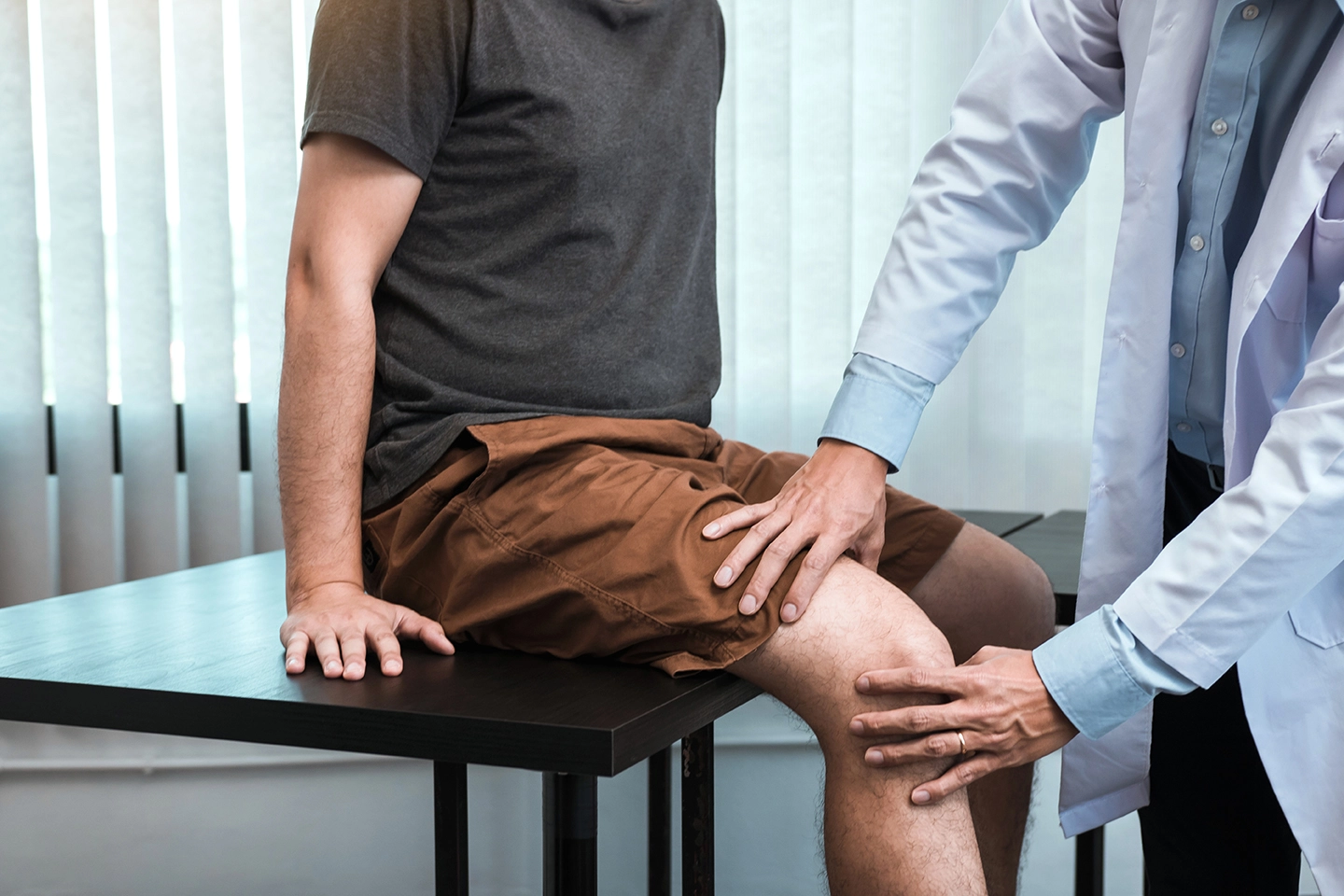
This is often followed by a physical examination of your knee to evaluate range of motion, joint
stability, areas of tenderness, and movement patterns. Imaging studies such as X-rays, MRI scans, or
ultrasound may be recommended to identify structural issues like cartilage damage, ligament
injuries, or early signs of arthritis.
Ultimately, the goal is not just to locate the source of pain, but to understand why it keeps
recurring.
Break the Cycle of Recurring Knee Pain with Arete Ortho
Recurring knee pain is normally the result of an underlying issue that has not been fully
resolved—whether it is incomplete healing, muscle weakness, poor biomechanics, or a degenerative
condition. Rather than repeatedly managing symptoms, addressing the root cause is key to long-term
relief.
With proper diagnosis and a personalised treatment plan, it is possible to break the cycle of
recurring pain and return to your normal activities with confidence. At Arete Orthopaedic Centre, we
strive to provide patients with tailored and effective care so that they may regain their active,
pain-free lifestyles. Dr Wang Lushun is experienced in treating all types of knee conditions. For
more information or appointments, please contact us today.